

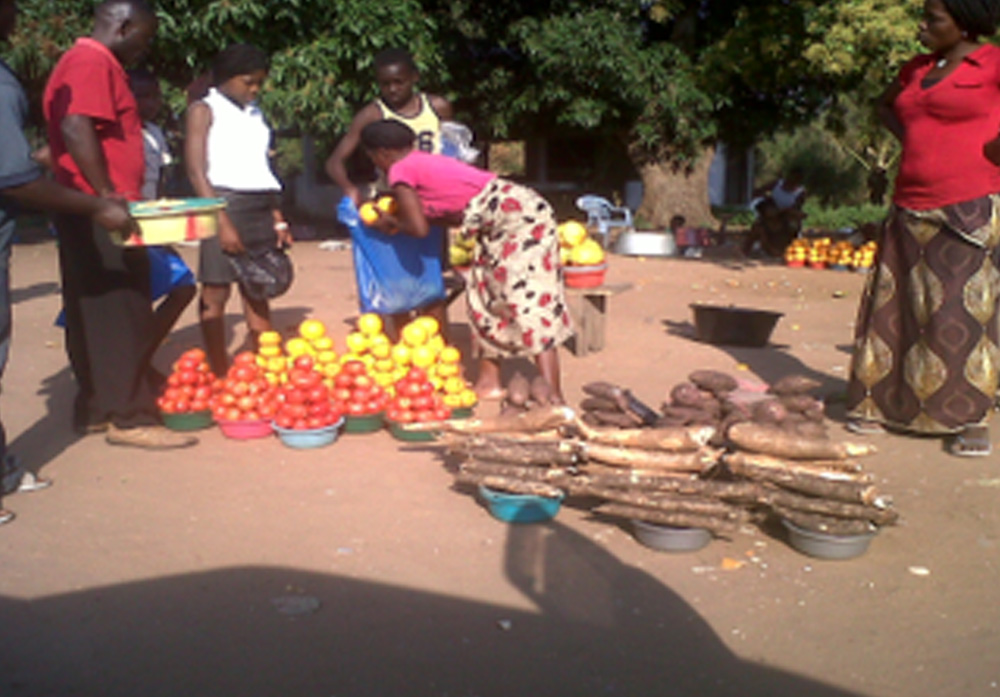
Global Agriculture Scenario
The Challenge
Agriculture in the 21st century faces multiple challenges it has to produce more food and fiber to feed a growing population with a smaller rural labour force, more feed stocks for a potentially huge bio energy market, contribute to overall development in the many agriculture-dependent developing countries, adopt more efficient and
sustainable production methods and adapt to climate change.
Food demand and production- World population is expected to grow by over a third, or 2.3 billion people till – 2050
Green Revolution – The Miracle Of Human History
The term “Green Revolution” was first used in a March 8, 1968, speech by the administrator of the U.S. Agency for International Development (USAID), William S. Gaud, who noted the spread of the new technologies
It is important to remember that the development of India’s own seed industry, as well as India’s Green Revolution, were largely directed and supported by public investments and policy frameworks.
As Agriculture scientist, globally acclaimed Nobel Laurette Dr Norman Borlaug and father of Indian green revolution Prof. Swaminathan many times said, “Success story of Indian green revolution is attributed to synergy of three pillars; strong political will, scientific community support and immense desire of farmers to adopt the technology”. Even then, the benefits of India’s agricultural transformation were not equitably distributed across the country or among socio-economic groups.
High yielding varieties alone would not help accelerate production, unless coupled with other essential inputs, particularly remunerative prices for the produce and assured marketing / distribution opportunities. It was the proven experience of PDS (Public distribution system) and FCI (Food corporation of India) which dealt with world’s largest procurement and distribution of grains in India.
Africa On Backdrop Of Indian Green Revolution
Seed is a fundamental yield enhancing input for sustained growth in farm production. It has been playing a vital role in the advancement of Indian agriculture since last four decades.In the world’s worst recorded food disaster that happened in 1943 in Eastern India known as Bengal famine, an estimated 4 million people died. At that time, the seed sector was not well developed. At the time of independence in 1947, the Indian population was around 350 million with a total grain output of just 51 million tons and today the population is more than 1.2 Billion with food production of more than 250 Million tonnes. Before 1960, farmers were using their own seed for multiplication and the area under certified seed production was less than 500 ha in 1962-1963.So, it was very crucial to mitigate the food demand and supply of the increasing population. I was tempted to relate the present African agriculture status with Indian agriculture during decade of 60, s.
Replicating Indian Model?
Could India’s thriving seed sector play a similar role in delivering affordable, high-quality seeds to African farmers?
India shares some of the diverse agro-ecologies and crops found in Africa, so it is plausible that technologies and methods used by Indian farmers might also be relevant to African situations.
The Control Of Nature
For centuries—millennia—farmers have saved seeds from season to season: they planted in the spring, harvested in the fall, then reclaimed and cleaned the seeds over the winter for re-planting the next spring. Monsanto has turned this ancient practice on its head.
Monsanto developed G.M. seeds that would resist its own herbicide, Roundup, offering farmers a convenient way to spray fields with weed killer without affecting crops. Monsanto then patented the seeds.
For nearly all of its history the United States Patent and Trademark Office had refused to grant patents on seeds, viewing them as life-forms with too many variables to be patented.
“It’s not like describing a widget,” says Joseph Mendelson III, the legal director of the Center for Food Safety, which has tracked Monsanto’s activities in rural America for years.

Fig- Farm
Shrinking Of Agriculture Land
Strategies :
Green house / glass house.
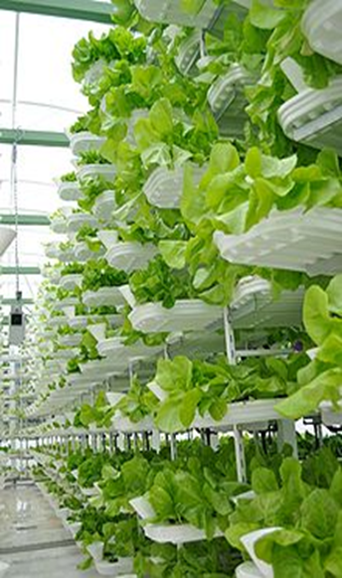
Vertical farming.
Hydroponics.
Per unit area higher production or nutrition sensitive agriculture :
(Bridging the gap between human health and agriculture)
Bio-fortification (The method of breeding crops to increase the nutritional value. Presently its done through conventional selective breeding).
Fig-1

Fig-2
Bridging the gap between Agriculture and Human Health
Fig- 3
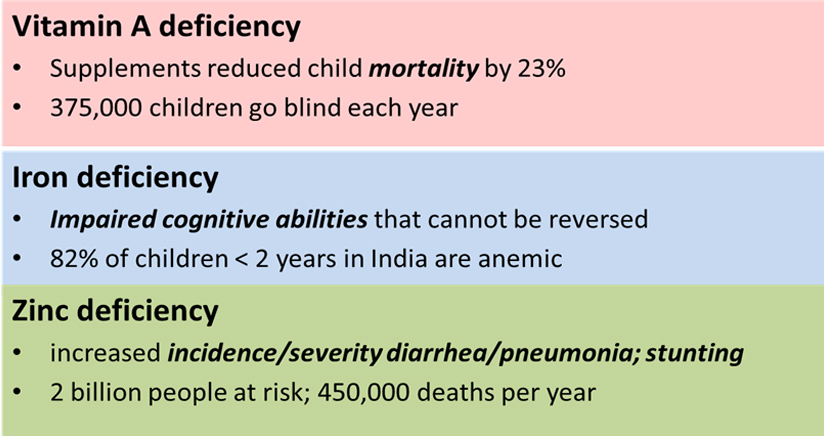
Table- Consequences Mineral & Vitamin Deficiency
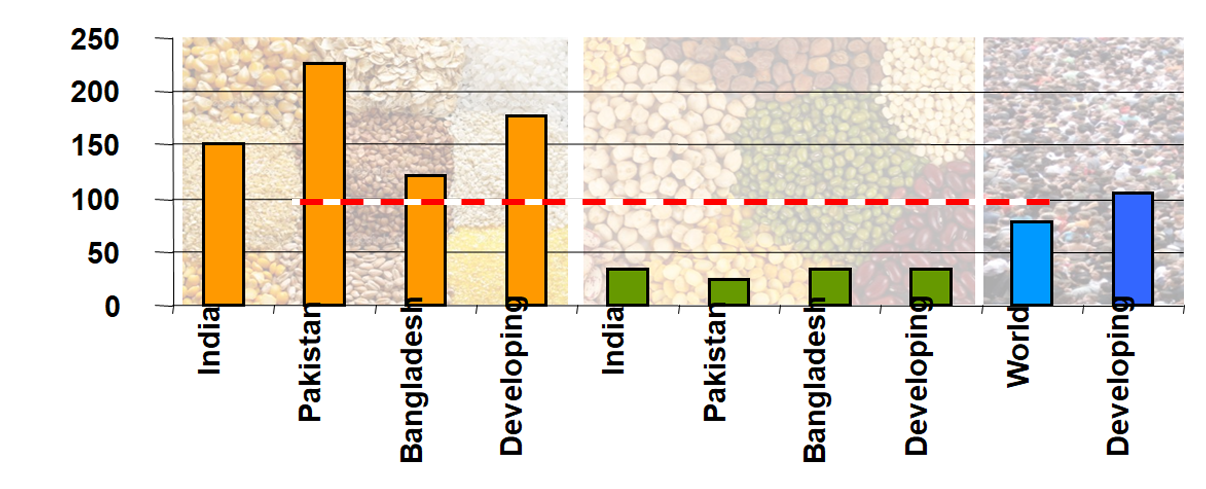
Graph- Percent Changes in Cereal and Pulse Production & in Population Between 1965 and 1999
50% Increase In All Food Prices
Share Of Total Expenditures – 2008 Global Food Prices Crisis
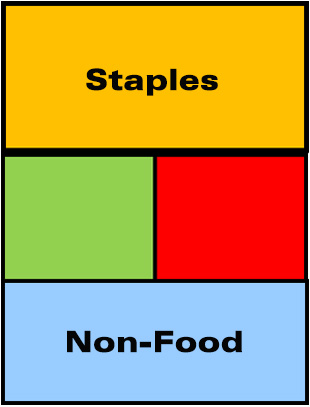
Before
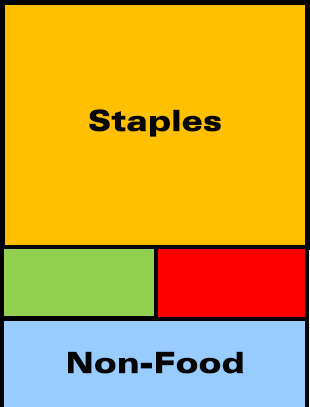
After
Biofortification – A Piece Of The Puzzle
Agricultural Interventions –
Biofortification is seen as upcoming strategy for dealing with deficiencies of micro-nutrients
Supplementation
Commercial Fortification
Dietary Diversity

Fig-1 Puzzle
Present Reach of Biofortification
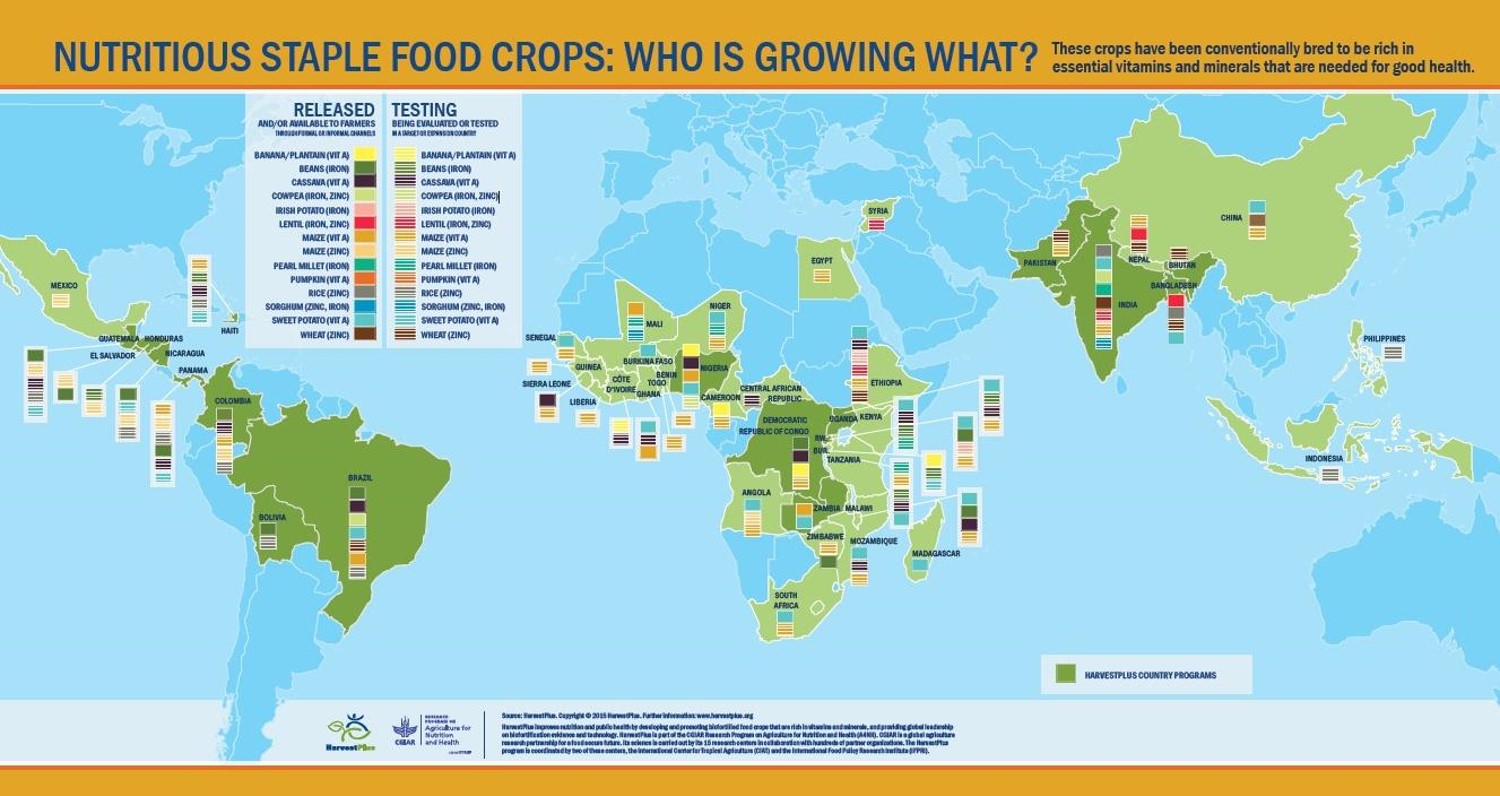
Fig Shows visual depiction of the breakdown of which crops are where, both released varieties and those undergoing trials
Release Date for Crops for Africa & Asia
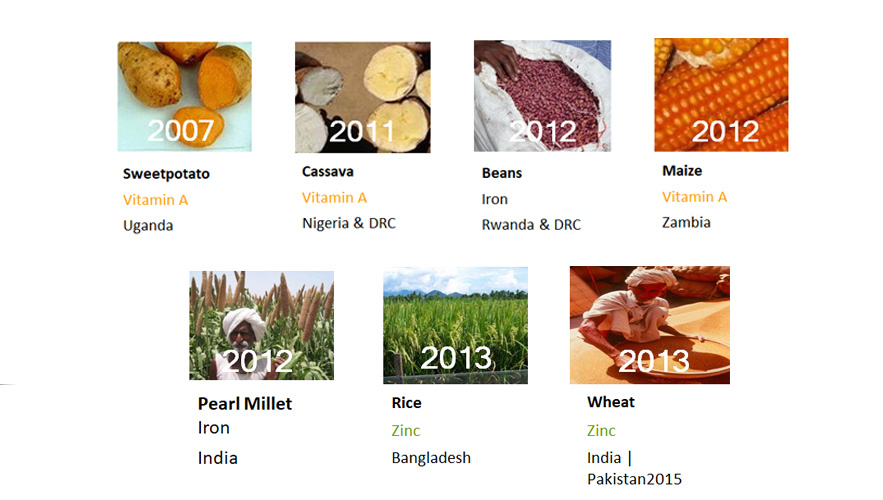
On breeding nutritious varieties of staple food crops eaten by the word’s poor that have more vitamins and minerals…both in Africa By pushing the limits in reducing time-to-market Biofortified crops were released … Prior to release, these varieties were tested along with non-biofortified candidates had to demonstrate competitive performance Breeding zinc wheat assumed full operational scale – capacity building.
Biofortified Crops Released In 27 Countries
18 in Africa, 4 in Asia, 5 in LAC.
In-Testing In 43 Countries
26 in Africa, 8 in Asia, 9 in LAC
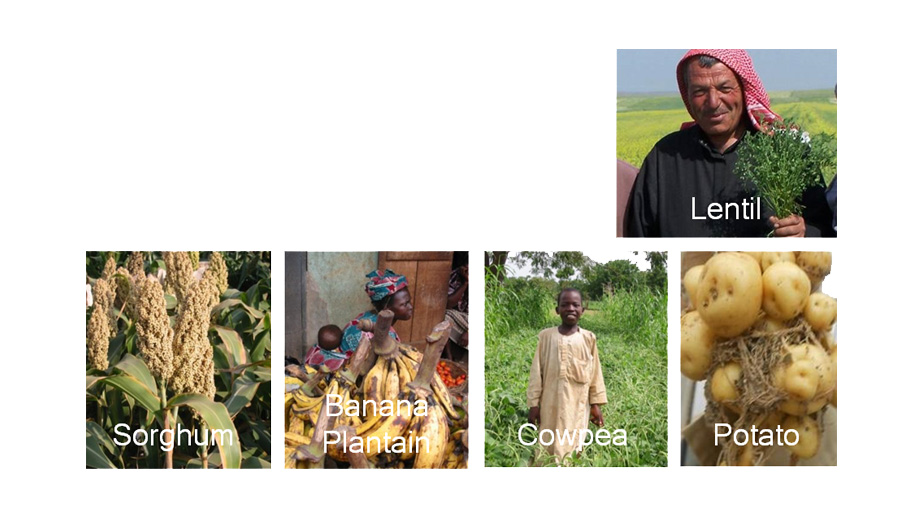
4 Vita-A , 5 Iron , 4 Zinc Crops
Human Nutrition Efficiency Trials
Fourteen Efficacy Trials either completed or in process :
High iron crops ✔
- Meta-analysis completed for beans and pearl millet.
High pro-vitamin A crops ✔
- Multiple Efficacy trials completed for sweet potato, maize, and cassava.
High zinc crops
- Bioavailability studies positive, Efficacy trials in the field.
Iron Pearl Millet Reverses Iron Deficiency
Indian Success Story
Lack of iron impairs mental development and learning capacity, and increases weakness and fatigue.
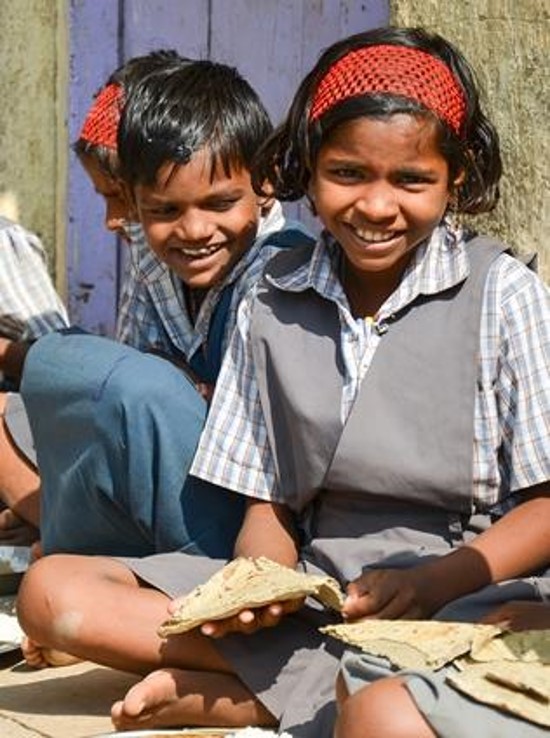
A new study found that iron pearl millet was able to reverse iron deficiency in children aged 12-16 years in India within six months.
Harvest Plus- Nirmal Seeds Biofortification Programme
To create the awareness regarding the importance of IRON in human diet through rallies, banners, pamphlets.
To provide the best, easiest and cheap source for IRON in daily diet through staple food like Pearl millet.
Field demonstration of new version of Pearl millet variety ICTP-8203 (Fe) in respect of yield potential, fodder quality, Iron content in comparison with the existing version.
Foundation seed multiplication of the selected version of ICTP-8203 (Fe)
Truthful seed production of ICTP-8203 (Fe).
Extension activities for marketing of ICTP-8203 (Fe).
Marketing of ICTP-8203 (Fe) with field demonstration and Hybrid Development programme.
Nirmal’s ICTP-8203 Fe Dhanashakti Seed Market :
177 tons in 2012-13,
142 tons in 2013-14 and
363 tons in rainy season 2014 -15
500 tons in 2015 in major Pearl millet growing states in India.
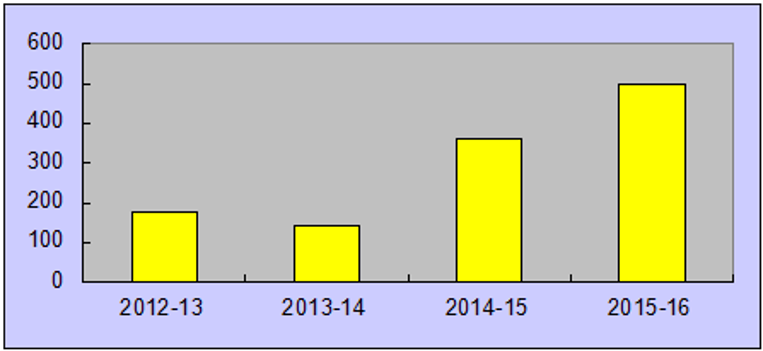
Pie-Chart
Biofortified Pearl Millet Seed Packets
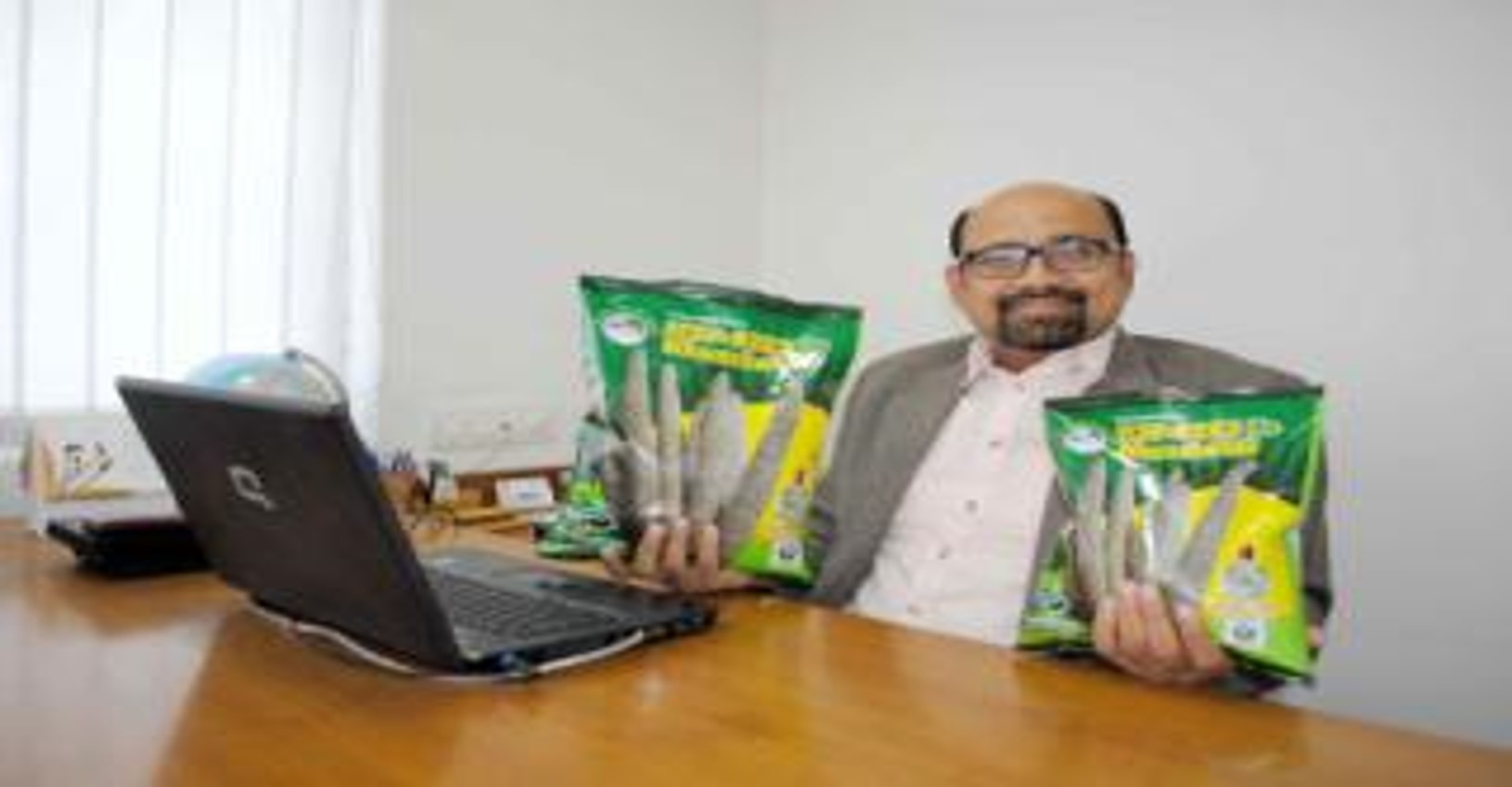
Fig-1 Mr. Ashish Wele
Mainstreaming Through Key Stakeholders
Seed companies (Nirmal in India)
International financial institutions (World Bank, IFAD)
Multi-lateral agencies (World Food Program, Codex)
National governments (Brazil, China, India)
Regional frameworks (African Union)
International NGOs (World Vision)
Endorsements For The Kigali Declaration
Recognition of Evidence and Impact Potential

“We can see that after years of scientific research we are just at the point where the research is no longer being argued or debated, but we are at that tipping point where we can start taking the product of all of that work and push it out into the world at scale.”
Rachel Kyte
Ex -Vice President
& Special Envoy for
Climate Change, World Bank
Short description about the possible target group
The “new type” of consumer-buyer group is called LOHAS (Lifestyle of Health and Sustainability) by professionals.
Feature of the Segment
They consider all the three pillars of sustainable development (economic, social and ecological) in their shopping decisions.
LOHAS consumers live their life health-consciously.
Their devotion to sustainability is reflected in purchasing environmental-friendly, socially responsible products.
They are early adopters and they are able to influence the opinion of their friends and family.
They are less price-sensitive, and they are characteristically brand-loyal.
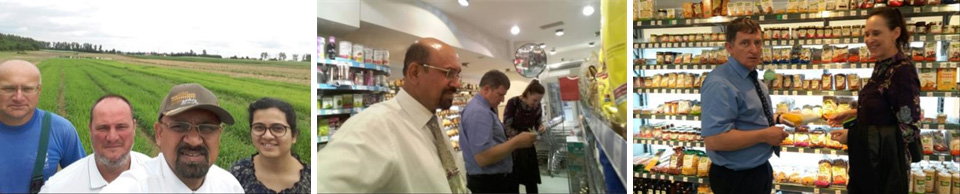
Fig-1
What is the Way Forward? Mainstreaming
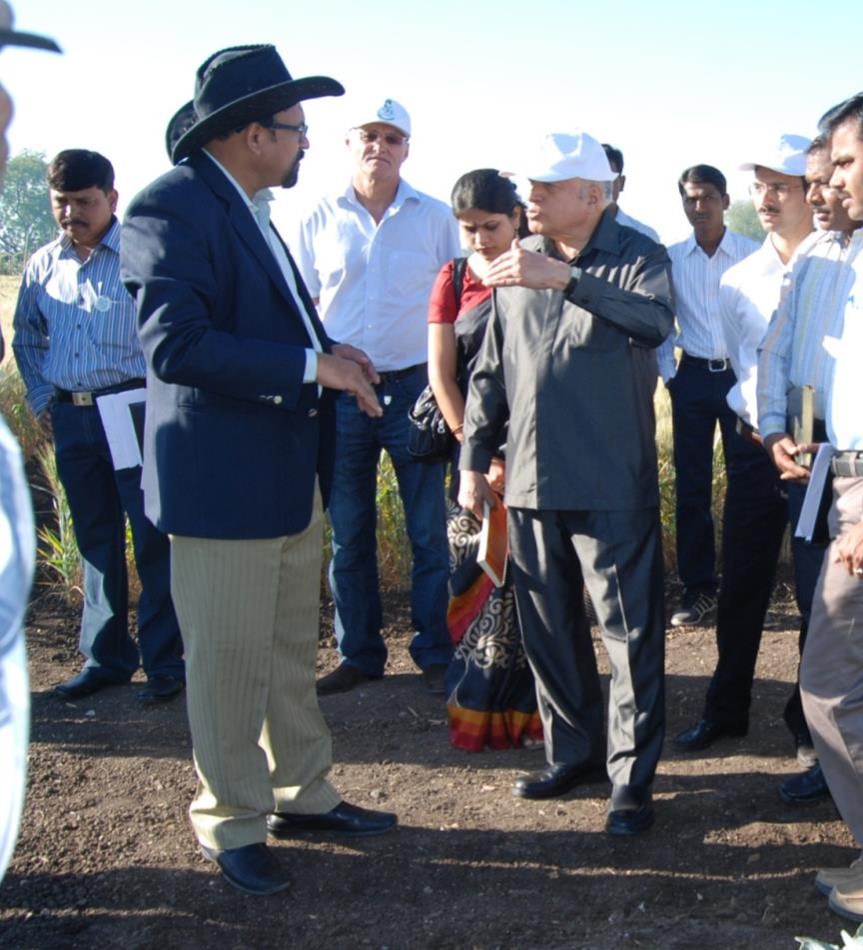
Fig-1